
Freed vs Heidi: Which AI Scribe Fits a Small Practice?

AI Technology Professional & Workplace Automation Consultant

Choosing a scribe for a small clinic comes down to price tiers, contract fine print, and how notes reach the chart. We compare Freed and Heidi on 2026 costs, signed-BAA coverage, and EHR push options, with the yearly math for one to three clinicians. Find out which one fits your budget and workflow before you start a trial.
It’s 7:40 p.m. on a Tuesday, the clinic lights are off, and you’re still at the kitchen table finishing the day’s charts. Sound familiar? For many U.S. solo and small-group clinicians, that “pajama time” is the real cost of seeing patients. This guide puts two popular ambient note-takers side by side, using current prices, contract fine print, and chart-workflow details, so you can pick one without a month of trial and error.
Quick Answer: For most small practices, Freed’s $79 Core or $104–$119 Premier plan is the safer pick. Prices are published, a business associate agreement is built into the terms, and Premier adds one-click chart push. Heidi’s free plan is a smart way to try ambient notes, but its $150 Clinician plan costs more and, per third-party reviews, doesn’t include chart push or a guaranteed signed BAA. Heidi gets competitive when a group negotiates its custom Practice plan. (Source: vendor pricing pages and third-party reviews)
Freed vs Heidi at a Glance: What Actually Differs
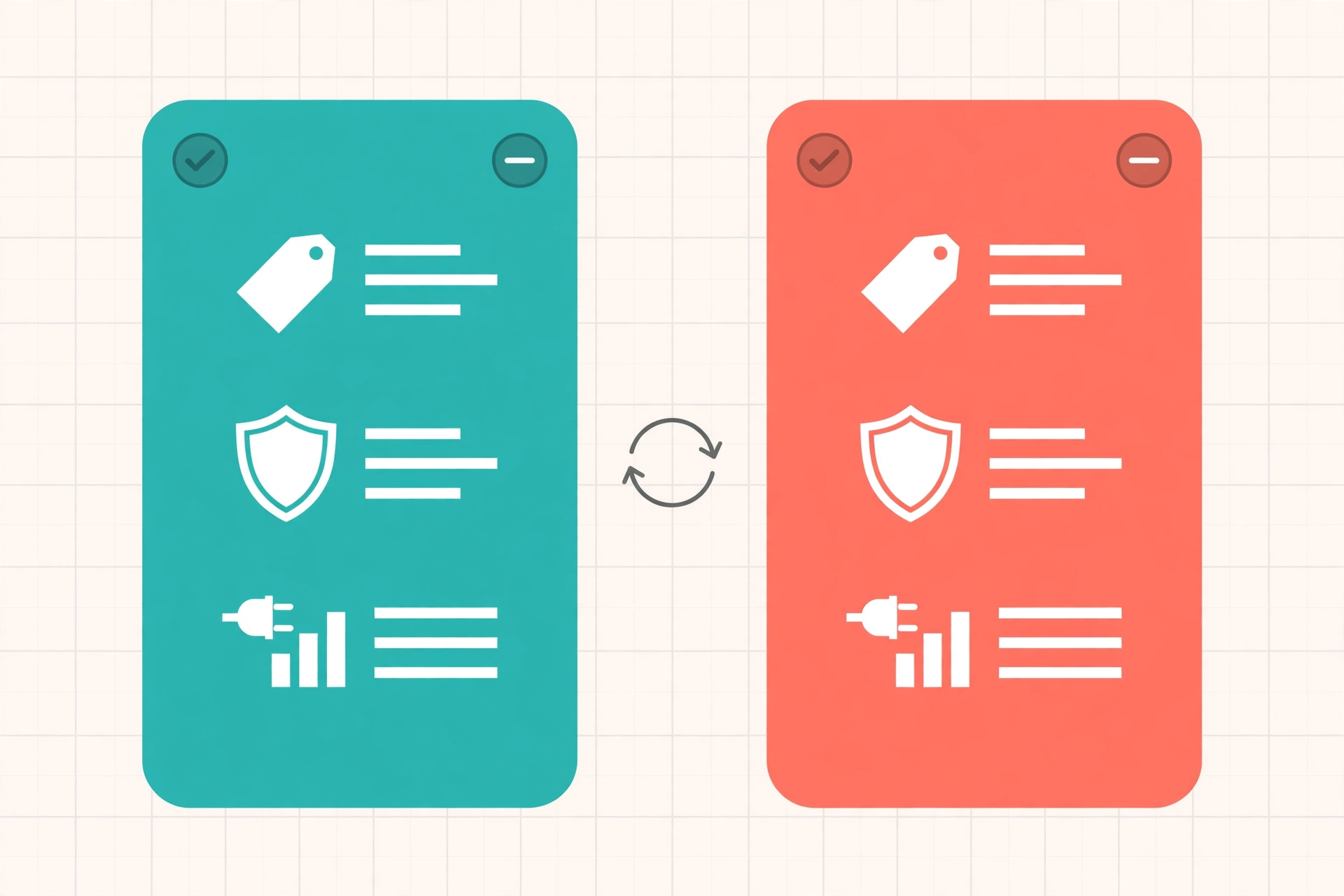
Both tools listen during a visit and draft a note for you to review. The real differences live in the price tiers, the contract fine print, and how a finished note reaches your chart. Here is the side-by-side view using plan details published as of fall 2026. (Source: vendor pricing pages and third-party price trackers)
| Freed | Heidi | |
|---|---|---|
| Entry paid price | $39/month (40-note cap) | $40/month (Evidence Plus; scribe stays at free limits) |
| Unlimited notes and custom templates | $79/month (Core) | $150/month, billed annually (Clinician) |
| Top individual tier | $119/month, or $104 billed annually (Premier) | Custom quote (Practice) |
| Free plan | No (7-day trial) | Yes, with 10 “Pro Actions” a month |
| Signed BAA | Built into the terms for paid users | Vendor says available; reviewers tie it to Practice |
| One-click chart push | Premier only (Chrome extension) | Practice tier and above |
| Billing-code suggestions | ICD-10 on Premier; CPT in beta | Not on Clinician, per reviewers |
Heidi also pairs its scribe with an evidence-lookup feature that returns cited clinical references. That’s worth weighing if you want lookups and notes in one place. (Source: Heidi support center) If you’re still building out your clinic’s toolkit, browse more AI tools for healthcare professionals on WorkVaneAI.
Prices change often, so confirm them on each vendor’s page before you buy.
How Much Does an AI Scribe Cost per Month in 2026?
Sticker prices look close until you count what each tier leaves out. Below are the published numbers, followed by what a one-, two-, and three-clinician office would pay across a full year. Pricing models vary a lot across AI tools built for specific professions, so it helps to compare tier by tier.
[Image 2: place after the comparison table above, or here]
Freed AI Pricing: Three Tiers Plus Custom Groups
Freed lists its plans on Freed’s published pricing page, and third-party trackers confirm the same tiers as of September 2026. (Source: third-party price trackers)
- Starter, $39 per month: Up to 40 notes a month, which is roughly two visits per working day.
- Core, $79 per month: Unlimited notes, a template builder, and an AI editing assistant. That’s $948 a year.
- Premier, $119 per month or $104 billed annually: Everything in Core, plus one-click chart push, ICD-10 code suggestions, visit summaries, patient instructions, and referral letters. Annual billing comes to $1,248 a year.
- Groups, custom: For clinics that need admin dashboards and an organization-wide agreement.
A 7-day free trial requires no credit card. Reviewers also report a 50% student discount on the monthly individual plan. (Source: third-party reviews; confirm before relying on it)
Heidi Health Pricing: A Free Tier, Then a Big Step Up
Heidi restructured its U.S. plans in February 2026. (Source: third-party software reviews) The details live in Heidi’s pricing and plans help article.
- Free, $0: Unlimited transcription and standard-template notes, with 10 Pro Actions a month. Custom templates and the Ask Heidi assistant spend those actions.
- Evidence Plus, $40 per user per month: Adds premium evidence sources, but scribe features stay at free-plan limits.
- Clinician, $150 per user per month, billed annually: Unlimited Pro Actions, custom templates, and Ask Heidi. Reviewers say that’s roughly a 50% jump from the $99 plan it replaced.
- Practice and Enterprise, custom quotes: Team features, integrations, and (per reviewers) the signed agreement.
Paid plans start with a 14-day free trial, and trainees can apply for full Clinician access at no cost. (Source: Heidi support center; third-party reviews)
What One, Two, and Three Clinicians Pay Per Year

| Setup | Monthly | Yearly |
|---|---|---|
| 1 clinician, Freed Core | $79 | $948 |
| 1 clinician, Freed Premier (annual billing) | $104 | $1,248 |
| 1 clinician, Heidi Clinician (annual billing) | $150 | $1,800 |
| 3 clinicians, Freed Premier (annual billing) | $312 | $3,744 |
| 3 clinicians, Heidi Clinician (annual billing) | $450 | $5,400 |
These totals use list prices only. They exclude Heidi’s custom Practice quote, taxes, and promotions.
Is it worth it? A large health-system rollout saved physicians about an hour a day at the keyboard on average. (Source: AMA) Your results will vary. Even 20 minutes back on each of 20 clinic days is about 6.7 hours a month, which can outweigh a $79 subscription quickly, depending on what an hour of your time is worth.
AI Scribe HIPAA BAA: What to Confirm Before the First Patient
HIPAA expects a covered practice to sign a business associate agreement with any vendor that handles patient information on its behalf. (Source: HHS Office for Civil Rights) A security badge on a website is not a substitute for that signed contract.

Before you record anyone, confirm five things:
- A signed agreement exists, not just terms of service.
- It covers your specific plan tier.
- You know whether recordings are stored or deleted after the note is made.
- You know whether patient data is used to train AI models.
- The vendor holds independent security attestations, such as SOC 2 Type II.
How Freed and Heidi Handle It
Freed says its agreement is built into the terms every user accepts, that patient data is never used for AI training, and that it holds SOC 2 Type II certification. (Source: Freed’s security and HIPAA help article; third-party reviews) Some reviewers note that a countersigned copy for your compliance binder requires a request form and a short wait. (Source: third-party review)
Heidi’s HIPAA page says it acts as a business associate, makes an agreement available to every covered entity, and hosts U.S. data in the United States. It also reports SOC 2 Type II and ISO 27001 certifications and says consultation audio isn’t stored after transcription. (Source: Heidi; third-party reviews) Here’s the catch: several third-party reviews report that signed agreements are tied to the custom Practice tier, with Clinician and lower plans running on standard terms. (Source: third-party reviews)
Those accounts conflict, so don’t guess. Email the vendor, ask which plan includes a signed agreement, and get the answer in writing. This is general information, not legal advice. Have your attorney or compliance officer review any contract.
Heidi vs Freed EHR Integration: How Notes Reach the Chart
Every plan on both tools lets you copy a note and paste it into your chart. Automation is where the tiers split.
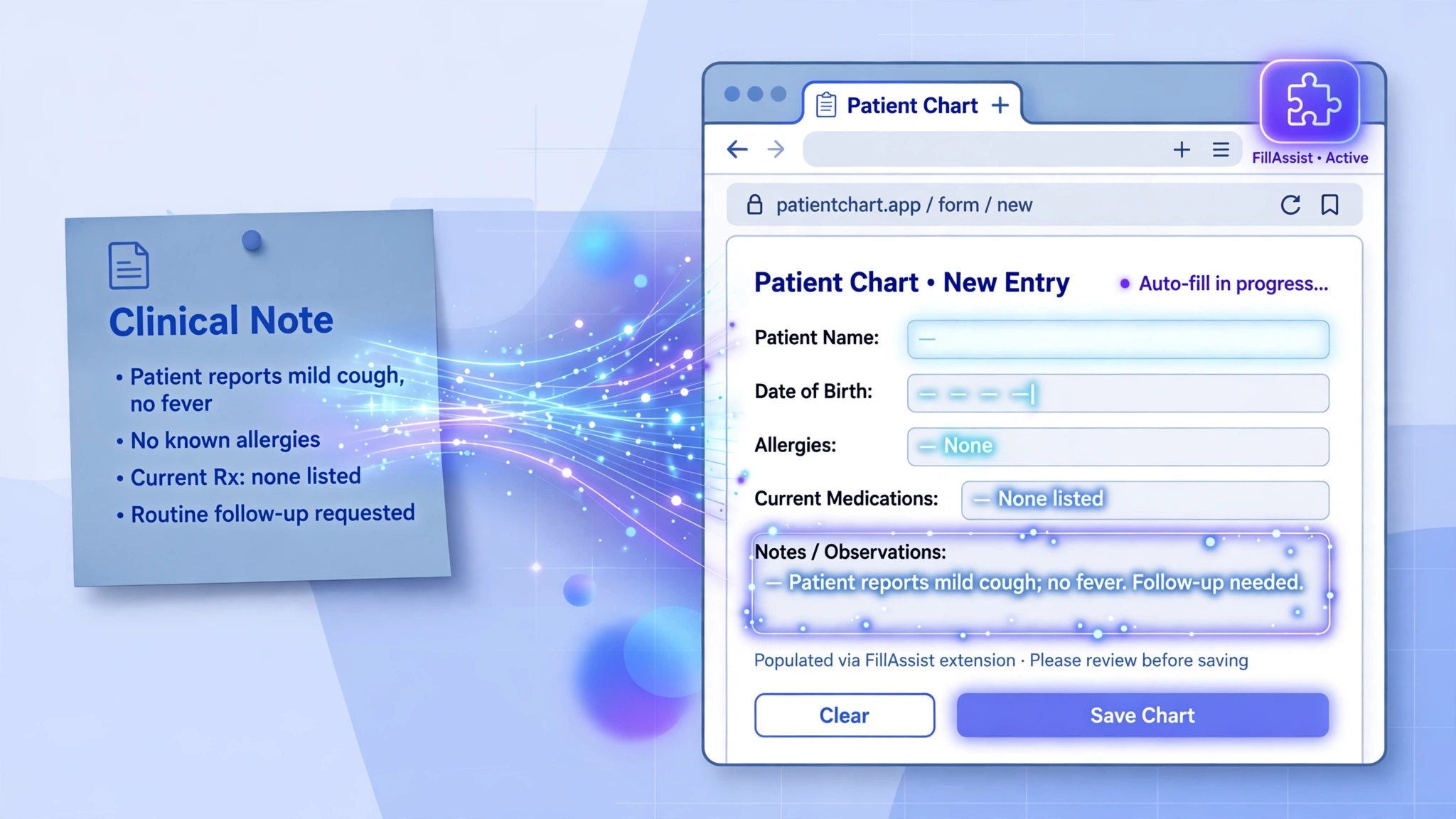
Freed: Chrome-Based Push on Premier
Premier adds a Chrome extension that fills chart fields in browser-based EHRs, so you skip the manual transfer. (Source: Freed plan details; third-party reviews) It’s an auto-fill, not a native API connection. Practices on desktop EHR clients or systems outside Chrome still copy and paste on every plan. (Source: third-party review)
Heidi: Connected Integrations on Practice and Up
Heidi’s support center says its connected integrations, which allow richer data exchange with your health record, need the Practice plan or higher. (Source: Heidi support center) Reviewers report that Clinician users still move notes into the chart by hand. (Source: third-party reviews)
The takeaway for your chart: If your EHR runs in a browser and you want push at a published price, Freed Premier is the simpler path. If you need deep native connections, such as with Epic, the small-practice tiers of either tool may fall short. Enterprise scribes built around a specific EHR may serve you better. (Source: third-party review) Before paying, test the push on one real chart.
Setup, Accuracy, and Patient Consent in Daily Use
Reviewers say Freed can run within minutes and without IT help. Heidi earns praise for flexible templates and multilingual support. (Source: third-party reviews) If you’re new to AI at work, that low-friction start matters more than a long feature list.
Accuracy: Neither tool replaces your review. In the AMA’s coverage of a large-system rollout, one physician described a summary that turned a conversation about hand, foot, and mouth symptoms into an actual diagnosis. (Source: AMA) Treat every draft as a first pass, and build a quick review step into your documentation workflows.
Consent: Patients should know a tool is listening. In that same rollout, patient consent was obtained before the scribe was used. (Source: AMA) State recording laws vary, so ask your attorney what wording and documentation your state requires.
Best AI Medical Scribe for Small Practice: Pick by Situation

- Light schedule (under about 40 visits a month): Freed Starter at $39, or Heidi’s free plan for practice runs with mock patients until BAA coverage is confirmed.
- Solo clinician, full schedule, copy-paste is fine: Freed Core at $79 covers unlimited notes with a built-in agreement.
- Browser-based EHR and coding help: Freed Premier at $104–$119.
- Evidence lookups next to your notes: Heidi Clinician at $150, after confirming BAA coverage in writing.
- Multi-clinician group with shared templates: Request quotes for Heidi Practice and Freed Groups, then compare the signed-agreement terms.
- Deep native EHR connection: Look at enterprise scribes instead.
A one-week test settles most debates:
- Record the same three visit types in both tools.
- Time how long each draft takes you to edit.
- Push or paste one note into a real chart field.
- Ask each vendor for its signed agreement in writing.
Freed offers a 7-day trial, and Heidi’s paid plans start with 14 days. (Source: third-party reviews; Heidi support center) For more matchups like this one, read our head-to-head AI tool reviews. You can also see how AI is reshaping clinical jobs.
Conclusion
Freed wins on price clarity, a built-in agreement, and an easy path to chart push. Heidi wins on its free entry point and evidence tools, but it gets pricey once you need unlimited custom features. Whichever you choose, get the signed BAA in writing and test one week of real visits before committing. Before you record your first patient, read our AI scribe consent guide next so your patient conversations are covered too.
References
- U.S. Department of Health and Human Services, Office for Civil Rights. “Sample Business Associate Agreement Provisions.” HHS.gov.
- American Medical Association. “AI scribe saves doctors an hour at the keyboard every day.” AMA (reports on The Permanente Medical Group’s rollout and an NEJM Catalyst commentary).
- Freed. Pricing page (getfreed.ai/pricing) and Help Center article “Freed privacy and security (HIPAA).”
- Heidi. Support center articles “Heidi’s Pricing Plans, Cost and Features” and “Which Heidi plan is right for you?”; HIPAA compliance page (heidihealth.com).
- Third-party reviews and price trackers, published by competing vendors and aggregators, so use them for cross-checking only: Commure (Heidi Health and Freed AI reviews), Plaud (Heidi AI scribe review; Heidi AI vs Freed AI), Twofold Health (Freed and Heidi pricing guides), DeepCura (Freed AI review), Scribeable and PatientNotes (Freed comparisons), Software Advice and PricingSaaS (Heidi pricing listings), Toolradar (Freed pricing).
Questions & Expert Answers
Common practical questions regarding this tool or workflow.
In Freed vs Heidi, which costs less for a small practice?
How much does Freed AI pricing cost each month?
Does Heidi Health pricing include a free plan?
Do I need an AI scribe HIPAA BAA before recording patients?
Heidi vs Freed EHR integration: which one pushes notes into the chart?
What is the best AI medical scribe for small practice budgets?
Tom Edgar
AI Technology Professional & Workplace Automation Consultant
Tom Edgar is an AI technology professional with 6+ years of experience in AI technology, focused on evaluating practical AI tools and helping working professionals use artificial intelligence to improve productivity and workplace workflows.